


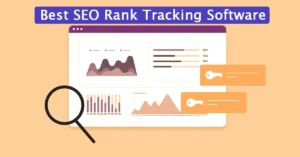
SEO depends on measurement. You need to know where your pages rank for target keywords. You also need to track changes over time. This is where rank tracking software helps.
The best SEO rank tracking software shows accurate keyword positions, competitor data, and trends. It helps you act fast when rankings drop. It also shows what is working.
This guide explains what rank tracking tools do, how to choose one, and which tools perform best in 2026.
What Is SEO Rank Tracking Software?
Rank tracking software monitors your keyword positions in search engines like Google. It tracks rankings on desktop and mobile. It also tracks different locations.
You add your keywords. The tool checks their positions daily or weekly. It then shows the data in dashboards and reports.
Why Rank Tracking Matters
You need rank tracking for clear reasons:
- You measure SEO progress
- You detect ranking drops early
- You find high performing keywords
- You track competitors
- You improve content based on data
Example:
You target the keyword “best laptops under 500”. You rank at position 12. After updating content, you move to position 6. This shows your changes worked.
Key SEO Rank Tracking Software Features to Look For
Accurate Tracking
Accuracy matters. Choose tools that update daily. They should track:
- Desktop rankings
- Mobile rankings
- Local rankings
Competitor Tracking
Good tools show competitor rankings. You can compare keyword positions and find gaps.
SERP Feature Tracking
Search results now include featured snippets, maps, and videos. Track these features to see more opportunities.
Reporting
Reports should be simple. Look for:
- Visual dashboards
- Scheduled reports
- Export options
Integrations
Some tools connect with analytics platforms. This gives a full view of traffic and rankings.
Top 5 Best SEO Rank Tracking Software
Here are the Top 5 Best SEO Rank Tracking Software based on our analysis
1. SEMrush
SEMrush offers a complete SEO toolkit. Its rank tracker is strong and reliable.
Key points:
- Daily updates
- Competitor insights
- Local tracking
- SERP feature tracking
Use case:
- An agency tracks 500 keywords for multiple clients. SEMrush provides daily reports and competitor comparisons.
2. Ahrefs
Ahrefs focuses on data accuracy. It also offers strong rank tracking.
Key points:
- Clean interface
- Reliable updates
- Keyword difficulty data
- Competitor tracking
Use case:
- A content site tracks blog rankings. Ahrefs shows which pages need updates.
3. AccuRanker
AccuRanker is built for rank tracking only. It delivers fast and accurate results.
Key points:
- Real time updates
- High accuracy
- Fast data refresh
- Advanced filters
Use case:
- An ecommerce store tracks thousands of keywords. AccuRanker updates data quickly.
4. SERPWatcher
SERPWatcher is simple and easy to use. It fits beginners.
Key points:
- Easy interface
- Daily tracking
- Performance score
- Affordable pricing
Use case:
- A small business owner tracks 50 keywords. SERPWatcher shows progress clearly.
5. SE Ranking
SE Ranking balances price and features.
Key points:
- Multi location tracking
- Competitor analysis
- White label reports
- Flexible pricing
Use case:
- A freelancer manages several clients. SE Ranking keeps costs low.
How to Choose the Right Tool
Define Your Goals
Start with clear goals:
- Number of keywords
- Target locations
- Need for competitor data
Example:
A local business should focus on local rank tracking. A global site should track multiple countries.
Set a Budget
Prices vary widely. Basic tools start low. Advanced tools cost more. Choose based on your needs.
Test Ease of Use
A simple interface saves time. Try free trials before buying.
Practical Examples
Example 1: Blog Optimization
You run a blog about fitness. You track “home workout plan”.
Steps:
- You track rankings daily
- You drop from position 5 to 11
- You update the article
- You add internal links
- You regain position 6
Example 2: Local SEO
A restaurant tracks “best pizza near me”.
Steps:
- Track rankings by location
- Improve Google Business profile
- Add local keywords
- Rankings improve in local results
Example 3: Competitor Strategy
You track a competitor ranking above you.
Steps:
- Analyze their content
- Check backlinks
- Improve your content
- Build links
- Move ahead in rankings
Also Read: What Is a Content Delivery Network (CDN)?